Grow Me Instead
Discover what species you’re growing in your yard and find out whether they’re invasive. Explore native alternatives to common invasive backyard plants and learn how to support a healthier, more sustainable landscape.
Quick Link Guide
Trees & Shrubs: Caragana | Common/European Buckthorn | Russian Olive | Tartarian Honeysuckle
Flowering Plants: Black Henbane | Common Burdock | Common Mullein | Common Tansy | Creeping Bellflower | Dame’s Rocket | Himalayan Balsam | Orange Hawkweed | Oxeye Daisy | Yellow Clematis
Grasses: Kentucky Bluegrass | Smooth Brome
TREES & SHRUBS


Don’t Grow Me
Caragana (Caragana arborescens)
Unregulated
Characteristics/Traits: Tolerant to cold temperatures, drought, and poor soil making it perfect for invading the prairies. Mostly found along forest edges and disturbed landscapes. Alters the plant communities where it grows.
Adverse effects: Alters biodiversity and environments where it establishes. Very aggressive, displaces native vegetation, alters soil chemistry, and increases fire risk.
Photo credit:
Vanessa Richins Myers, About.com, Bugwood.org
Bonsak Hammeraas, NIBIO – The Norwegian Institute of Bioeconomy Research, Bugwood.org
John M. Randall, The Nature Conservancy, Bugwood.org



Grow Me Instead
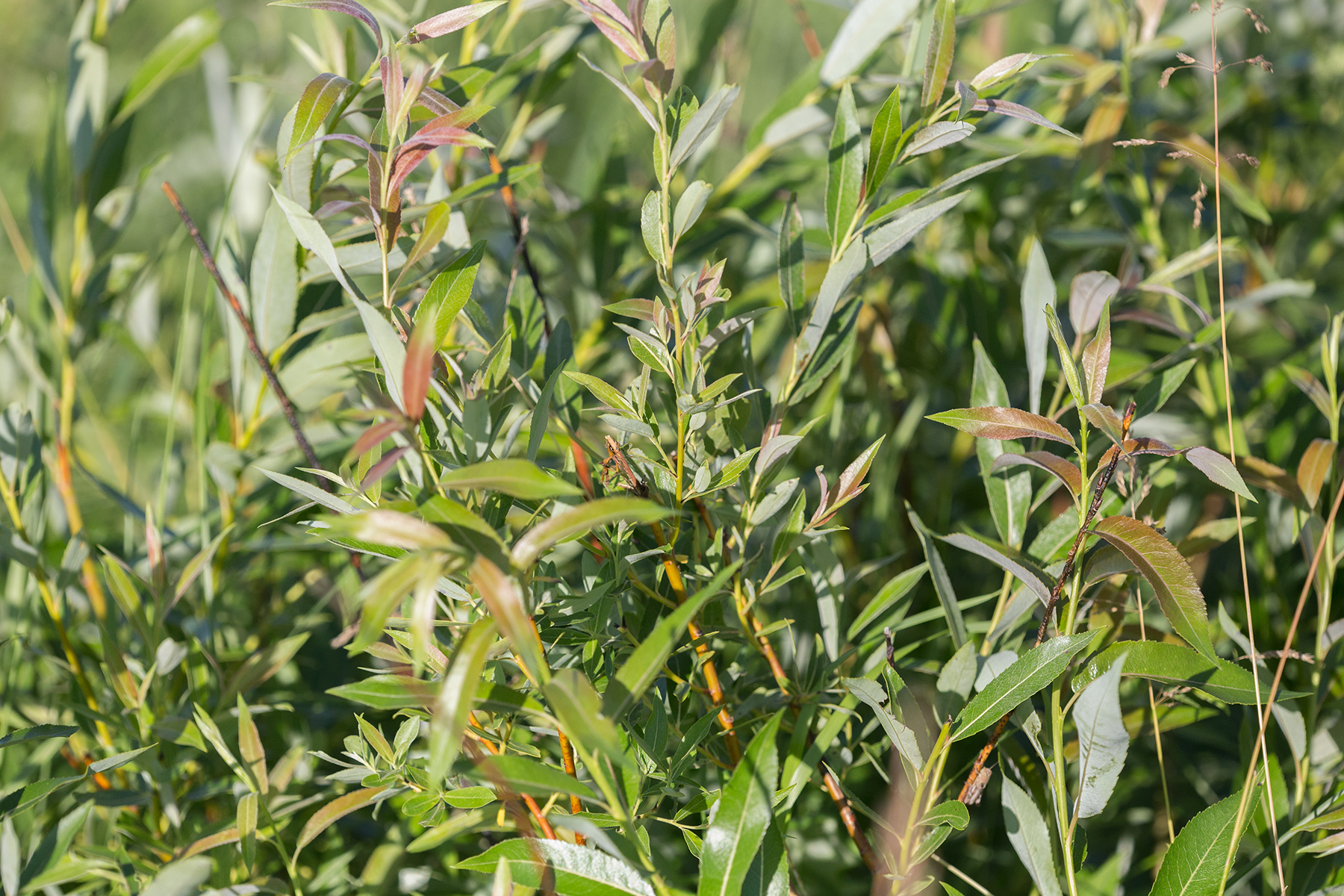
Shrubby cinquefoil (Potentilla fruticosa)
Sandbar willow (Salix interior)
Fireberry hawthorn (Crataegus chrysocarpa)
Wood’s rose (Rosa woodsii)
Photo credit:
Joy Viola, Northeastern University, Bugwood.org
Michael Wolf – https://commons.wikimedia.org/w/index.php?curid=7738136


Don’t Grow Me
Common/European buckthorn (Rhamnus cathartica)
Noxious
Characteristics/Traits: Deciduous small tree or shrub. The shrub is dioecious (only produces male or female flowers); trees with fruit are always female. Root system vary with site. It begins flowering in late spring/early summer. Fruits turn from green to red to black when ripe at the end of summer/early fall. Fruit remains on plant throughout winter.
Adverse effects: Plant forms dense, even-aged stands which crowd and shade out native plants below. This reduces biodiversity and makes it hard for other plants to thrive. When fruits fall, they litter the ground in buckthorn seedlings, promoting more growth. When consumed, fruits have a strong laxative effect (very toxic). Seeds can be dispersed through droppings making it easy for the plant to spread.
Photo credit:
Leslie J. Mehrhoff, University of Connecticut, Bugwood.org
Jan Samanek, Phytosanitary Administration, Bugwood.org
Chris Evans, University of Illinois, Bugwood.org


Grow Me Instead
Canada buffaloberry (Shepherdia canadensis)
Chokecherry (Prunus virginiana)
Saskatoon (Amelanchier alnifolia)
Beaked hazelnut (Corylus cornuta)
Photo credit:
Joy Viola, Northeastern University, Bugwood.org
Paul Wray, Iowa State University, Bugwood.org
Mary Ellen (Mel) Harte, Bugwood.org
Caleb Slemmons, National Ecological Observatory Network, Bugwood.org


Don’t Grow Me
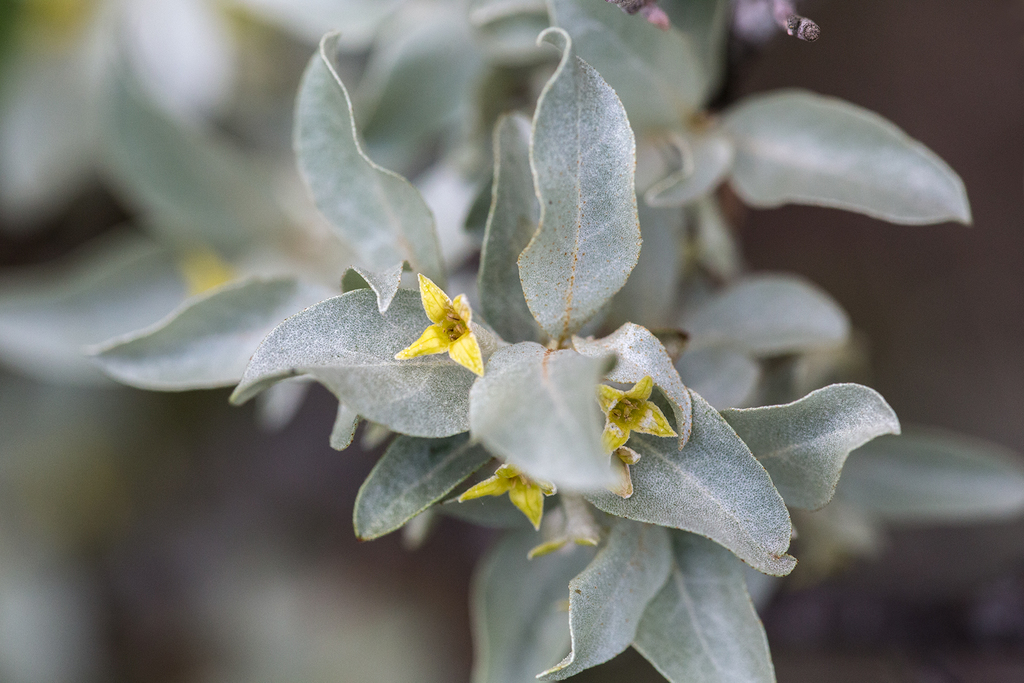
Russian olive (Elaeagnus angustifolia)
Unregulated
Characteristics/Traits: Deciduous, thorny shrub or tree. Can establish on poor soils and bare substrate due to its ability to fix atmospheric nitrogen. Reproduces primarily by seed but vegetation propagation also happens. Basal shoots at the root crown cause re-sprouting from the roots after stem has been removed. Flowering beings when trees are 3-5 years of age and insect pollinated. Silvery, olive looking fruits are consumed by birds and rodents and seeds are dispersed through droppings. Has a fragrant smell, pleasing shape, and silvery leaves.
Adverse effects: Invader in riparian systems in semi-arid environments. It outcompetes and replaces native willow and Populus species. Develops a deep taproot and lateral root system to access water during dry conditions. Consumes excessive amounts of water and increases fire risk. Very hard to eradicate as it grows in dense strands. Reduces biodiversity and alters soil nutrient cycling.
Photo credit:
Paul Wray, Iowa State University, Bugwood.org
Jan Samanek, Phytosanitary Administration, Bugwood.org
Chris Evans, University of Illinois, Bugwood.org

Grow Me Instead
Sandbar willow (Salix interior)
Wolf willow (Elaeagnus commutata)
Canada buffaloberry (Shepherdia canadensis)
Red-osier dogwood (Cornus sericea)
Photo credit:
Joy Viola, Northeastern University, Bugwood.org


Don’t Grow Me
Tartarian honeysuckle (Lonicera tatarica)
Unregulated
Characteristics/Traits: Multi-stemmed woody shrub that forms dense thickets in areas that they occupy. They have simple opposite leaves, big flowers that range in colour from white to dark pink, and branches with no thorns.
Adverse effects: Forms dense thickets in disturbed areas that outcompetes native vegetation. Dominates understory and blocks sunlight from native plants, preventing the regeneration of forests.
Photo credit:
Ohio State Weed Lab , The Ohio State University, Bugwood.org
Richard Gardner, Bugwood.org


Grow Me Instead
Twining honeysuckle (Lonicera dioica)
Red elderberry (Sambucus racemosa)
High bush cranberry (Viburnum opulus)
Nannyberry (Viburnum lentago)
Photo credit:
Rob Routledge, Sault College, Bugwood.org
Dow Gardens , Dow Gardens, Bugwood.org
FLOWERING PLANTS


Don’t Grow Me
Black henbane (Hyoscyamus niger)
Noxious
Characteristics/Traits: Annual/biennial plant that only reproduces by seed. All parts of the plant are poisonous to humans when ingested. Tissues contain toxic alkaloids. One plant can produce upwards of half a million seeds in one season. They are viable for up to four years.
Adverse effects: Highly aggressive and very toxic. Displaces native vegetation and reduces native biodiversity. Thrives in regions that have been disturbed from their natural state (ditches, grasslands, construction sites, riparian areas). Forms dense monocultures.
Photo credit:
Jan Samanek, Phytosanitary Administration, Bugwood.org
Robert Vidéki, Doronicum Kft., Bugwood.org


Grow Me Instead
Canada anemone (Anemone canadensis)
Canada milkvetch (Astragalus canadensis)
Pearly everlasting (Anaphalis margaritacea)
Yellow evening primrose (Oenothera biennis)


Don’t Grow Me
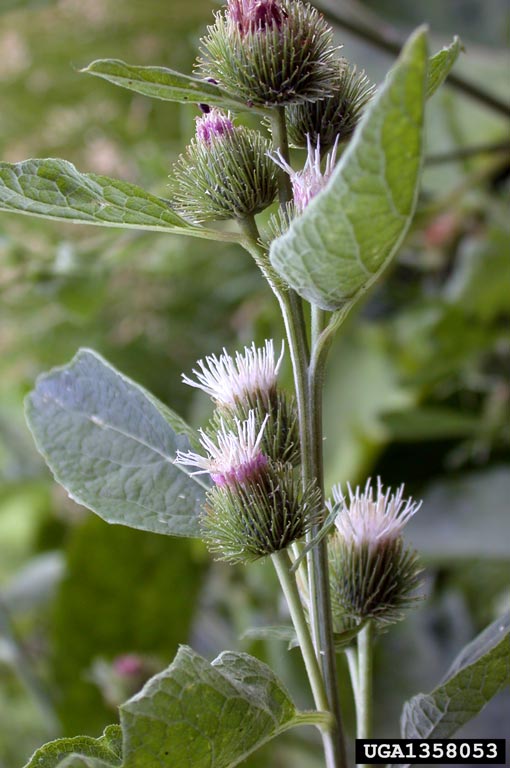
Common burdock (Arctium minus)
Noxious
Characteristics/Traits: An introduced biennial that forms a rosette of leaves in the first year, and large, branches with flowers in the second year. Prefers areas with fertile soils and riparian regions. Produces burs. Its seeds are prickly and can easily attach to anything they contact. Seed production beings in July and lasts until the fall. Seeds shed continuously throughout the fall, winter and following spring. A mature plant can produce 6,000 to 16,000 seeds.
Adverse effects: Large leaf size blocks sunlight to plants below, reducing biodiversity and promoting monocultures. It also displaces native vegetation, , alters soil chemistry, and increases erosions. Seeds spread very easily, making it easy to invade new areas. Burs catch on animal furs leading to discomfort and, in some cases, even death.
Photo credit:
Mary Ellen (Mel) Harte, Bugwood.org
Ohio State Weed Lab , The Ohio State University, Bugwood.org


Grow Me Instead
Giant hyssop (Agastache foeniculum)
Smooth blue aster (Symphyotrichum laeve)
Wild blue flax (Linum lewisii)
Joe-pye weed (Eutrochium maculatum)


Don’t Grow Me
Common mullein (Verbascum thapsus)
Noxious
Characteristics/Traits: Colonizing biennial that overtakes and displaces native species in disturbed areas. High seed producer, one plant can produce about 240,000 seeds. Seeds can remain viable in soil for upwards of 100 years.
Adverse effects: Displaces native species due to its ability to rapidly colonize disturbed areas. Prolific seed producer that allows the plant to invade areas aggressively. Reduces forage quality and contaminates soil quality.
Photo credit:
Steve Dewey, Utah State University, Bugwood.org
John Cardina, The Ohio State University, Bugwood.org


Grow Me Instead
Yellow evening primrose (Oenothera biennis)
Beautiful sunflower (Helianthus pauciflorus)
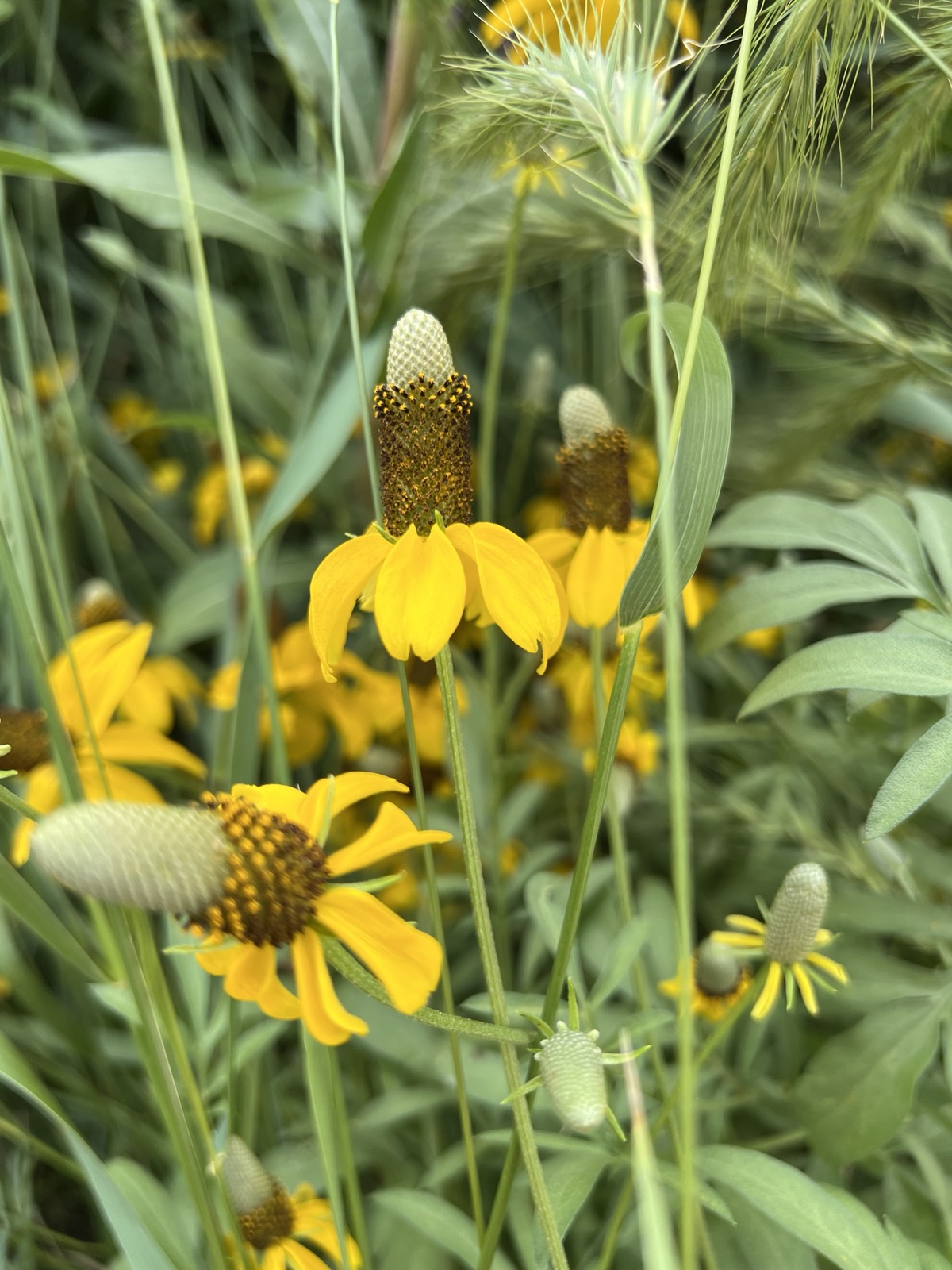
Prairie coneflower (Ratibida columnifera)
Stiff goldenrod (Solidago rigida)


Don’t Grow Me
Common tansy (Tanacetum vulgare)
Noxious
Characteristics/Traits: Perennial forb that reproduces by both seeds and rhizomes. It has a deep and robust root system that has the ability to produce numerous seeds. Forms dense stands. If consumed in large quantities it is toxic making it not an option for grazing animals.
Adverse effects: Regrowth after cutting makes it very hard to manage, as roots and seeds can remain viable for up to twenty-five years. Reproducing through large number of seeds and rhizomes forms dense strands that outcompetes native vegetation (further reducing biodiversity). Degrades environments, releases chemicals into the soil, and promotes erosion. Limits the quality of forage, as it cannot be consumed. It is very toxic.
Photo credit:
Steve Dewey, Utah State University, Bugwood.org
Jan Samanek, Phytosanitary Administration, Bugwood.org
Grow Me Instead
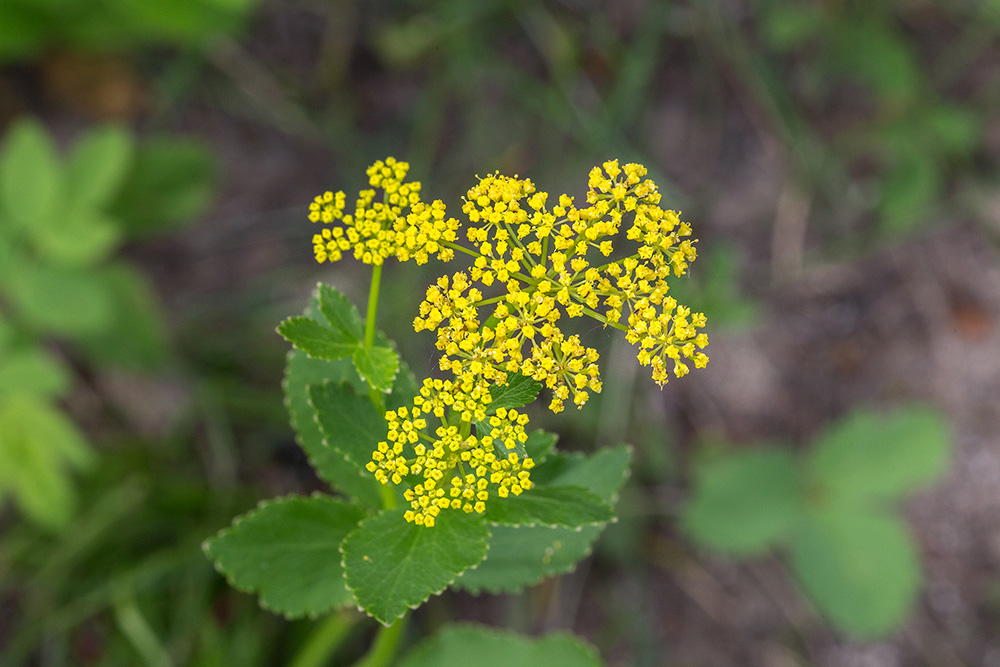
Heart-leaved Alexander (Zizia aptera)
Stiff goldenrod (Solidago rigida)
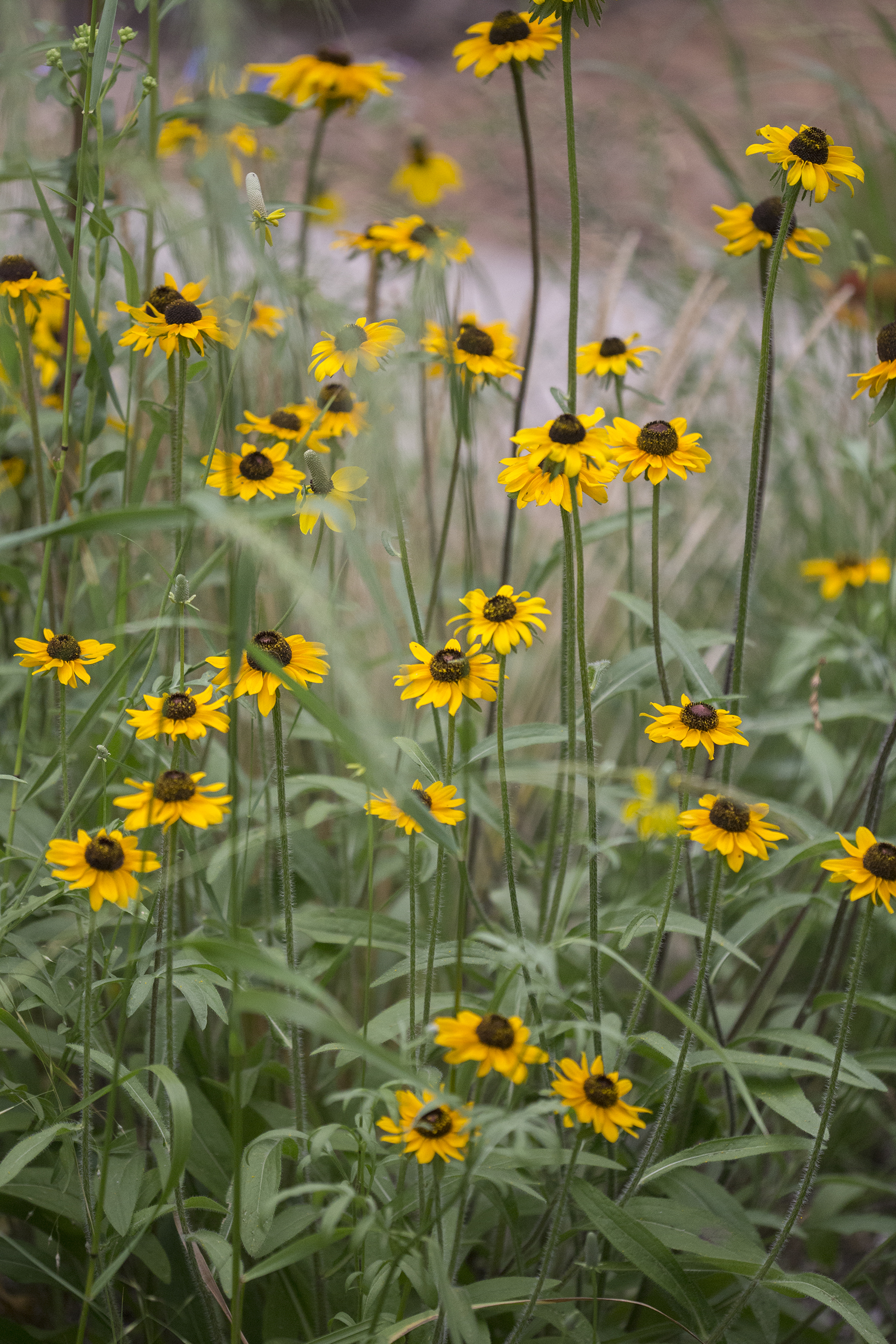
Black-eyed Susan (Rudbeckia hirta)
Prairie coneflower (Ratibida columnifera)


Don’t Grow Me
Creeping bellflower (Campanula rapunculoides)
Noxious
Characteristics/Traits: Can survive long periods of drought and can tolerate different light conditions. Its creeping root system is resistant to some herbicides, making it hard to control. Flowers are pollinated by insects, but in some cases they can become self-fertile and still produce seeds. Plants can produce 3000 or more seeds per-year. These seeds spread easily due to their light weight and small wings.
Adverse effects: Very resilient, making it hard to get rid of. Aggressively outcompetes native plants for nutrients, sunlight, and water. Thick root systems choke out other plants. Thrives in disturbed soils that are lacking native species.
Photo credit:
Alex Katovich, Bugwood.org
Mary Ellen (Mel) Harte, Bugwood.org


Grow Me Instead
Harebell (Campanula rotundifolia)
Tall lungwort (Mertensia paniculata)
Smooth blue beardtongue (Penstemon nitidus)
Smooth beardtongue (Penstemon procerus)


Don’t Grow Me
Dame’s rocket (Hesperis matronalis)
Noxious
Characteristics/Traits: Can be a biennial or short-lived perennial. It is a prolific seed producer and a member of the mustard family. Flowers are insect pollinated and very fragrant (especially in the evening). It produces a rosette in the first year of growth and then a flowering bolt in the second year. Blooms in early summer, and stems wither and die by late summer.
Adverse effects: Forms dense monocultures that choke out native species by outcompeting them for sunlight, water, and nutrients. Reduces biodiversity in woodlands, prairies, and riparian areas. Plants can produce high numbers of seeds that spread easily. Alters soil quality and nutrient cycling.
Photo credit:
Rob Routledge, Sault College, Bugwood.org
Leslie J. Mehrhoff, University of Connecticut, Bugwood.org
Richard Gardner, Bugwood.org


Grow Me Instead
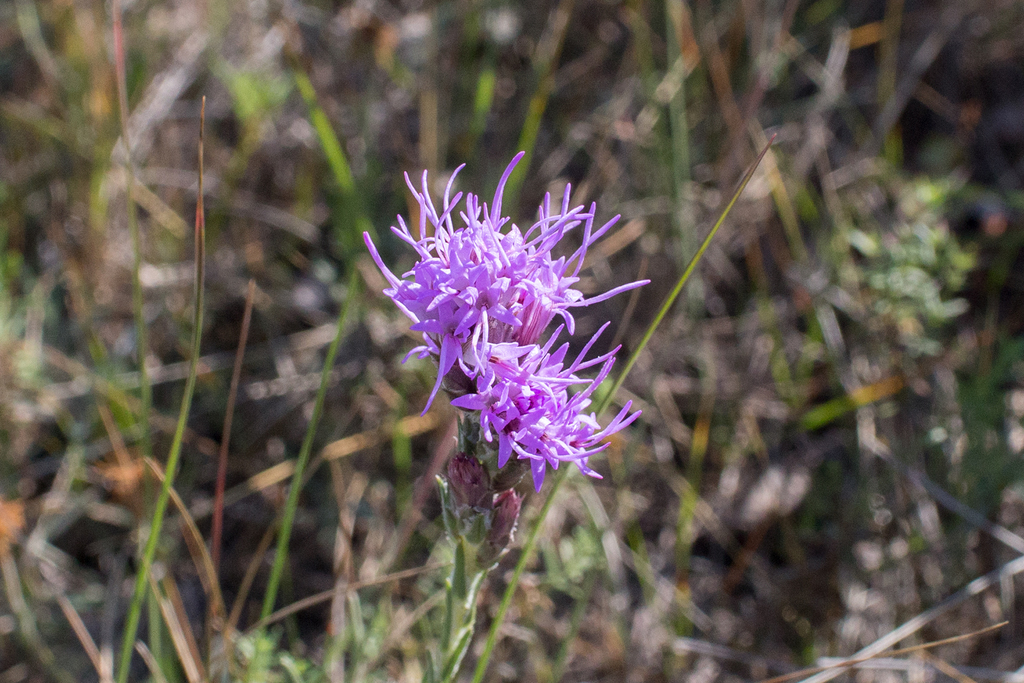
Dotted blazing star (Liatris punctata)
Meadow blazing star (Liatris ligulistylis)
Bergamot (Monarda fistulosa)
Purple prairie clover (Dalea purpurea)


Don’t Grow Me
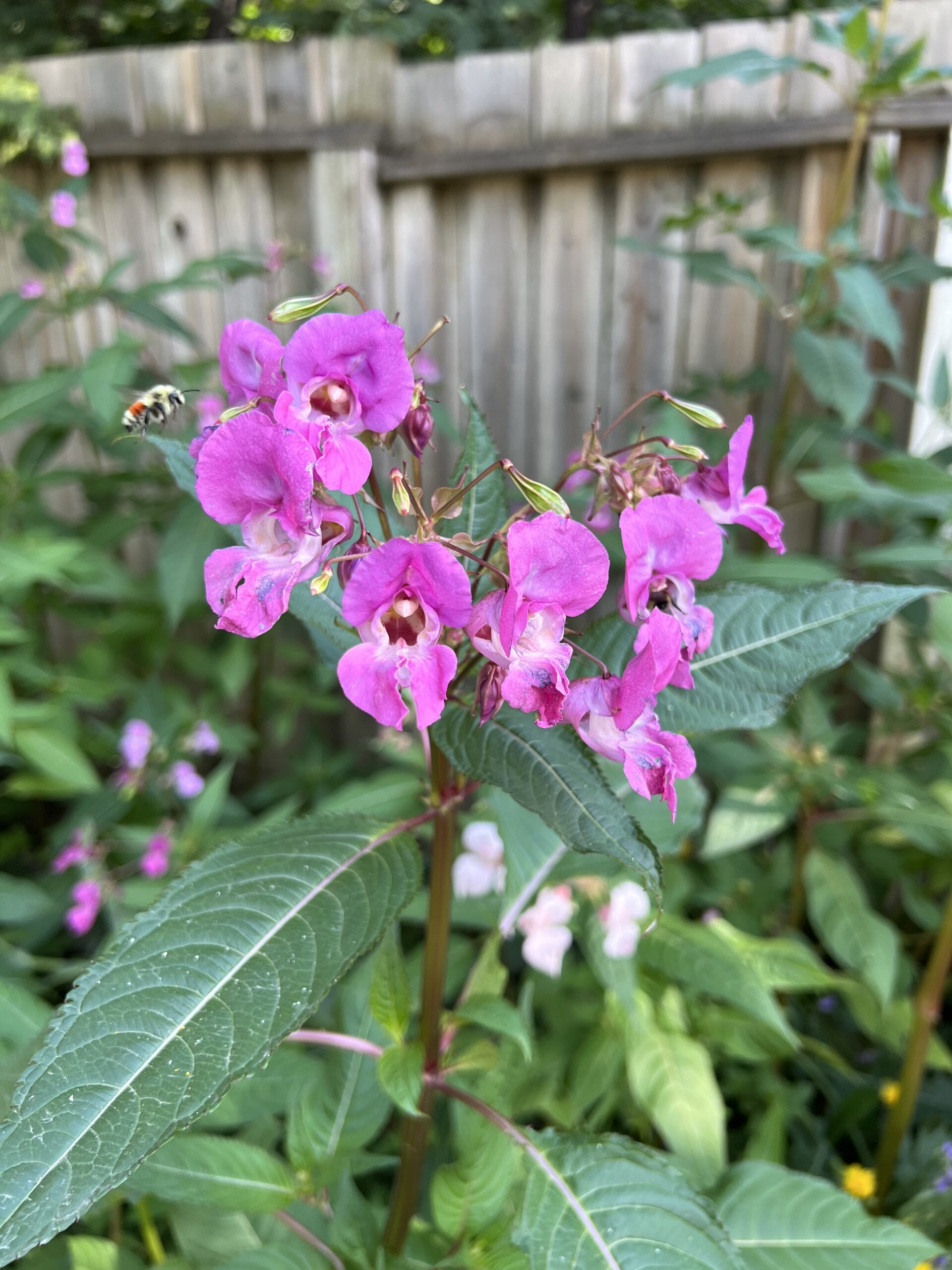
Himalayan balsam (Impatiens glandulifera)
Prohibited
Characteristics/Traits: Invasive herbaceous plant. Annual reproduction of this plant occurs in the summer, when insects pollinate the flowers. Insects transfer pollen between flowers of the same plant. Grows up to 1-3 m in height and has a greenish-reddish stem, with toothed leaves that are 5-23 cm long. When crushed, foliage has a strong musty smell. Plant has glands that produce a sweet-smelling, sticky, nectar. Flowers are pink and have a hooded shape (3-4 cm long and 2 cm wide).
Adverse effects: Creates tall dense stands that prevent native plants from establishing, this reduces biodiversity and creates monocultures. It is a prolific seed and nectar producer, producing up to 800 seeds per plant allowing them to spread quickly. Nectar produced draws pollinators away from native plants. This plant rapidly outcompetes native plants and leads to an increase in soil erosion.
Photo credit:
Jan Samanek, Phytosanitary Administration, Bugwood.org
Rob Routledge, Sault College, Bugwood.org


Grow Me Instead
Joe-pye weed (Eutrochium maculatum)
Purple coneflower (Echinacea angustifolia)
Jewelweed (Impatiens capensis)
Giant hyssop (Agastache foeniculum)
Bergamot (Monarda fistulosa)
Photo credit:
Rob Routledge, Sault College, Bugwood.org


Don’t Grow Me
Orange hawkweed (Pilosella aurantiaca)
Prohibited
Characteristics/Traits: Fibrous perennial herb with a milky latex in the stem and leaves. Reproduces by seeds, stolons, and rhizomes. Seeds are produces asexually (sexual reproduction occurs occasionally). Develops low rosette of basal leaves before producing a flowering stem. Flowers are a dark orange and borne at the end of stems and look like dandelions. High seed production and germination rates.
Adverse effects: Rapid colonization and monopolizing of resources. From dense monocultures that produces high amount of seeds that are dispersed by wind. It can also rapidly reproduce though rhizomes, stolons, and root fragments making it a prolific invader. If undetected it can become an ineradicable infestation. Completely disrupts ecosystems that it invades.
Photo credit:
Michael Shephard, USDA Forest Service, Bugwood.org
Rebekah D. Wallace, University of Georgia, Bugwood.org


Grow Me Instead
Gaillardia (Gaillardia aristata)
Hairy golden aster (Heterotheca villosa)
Annual sunflower (Helianthus annuus)
Common sneezeweed (Helenium autumnale)
Black-eyed Susan (Rudbeckia hirta)
Photo credit:
Beverly Turner, Jackson Minnesota, Bugwood.org


Don’t Grow Me
Oxeye daisy (Leucanthemum vulgare)
Noxious
Characteristics/Traits: Perennial that spreads primarily by seed, but roots also produce rhizomes.
Adverse effects: Flowers can produce over 500 seeds, but a plant can produce up to 26,000 seeds. Their spread greatly impacts forage production in pastures and meadows. Dense stands of this plant decrease diversity and increases the amount of bare soil, leading to decreased vegetation and increased erosion.
Photo credit:
Mary Ellen (Mel) Harte, Bugwood.org
Becca MacDonald, Sault College, Bugwood.org
Steve Dewey, Utah State University, Bugwood.org



Grow me instead
Many-flowered aster (Symphyotrichum ericoides)
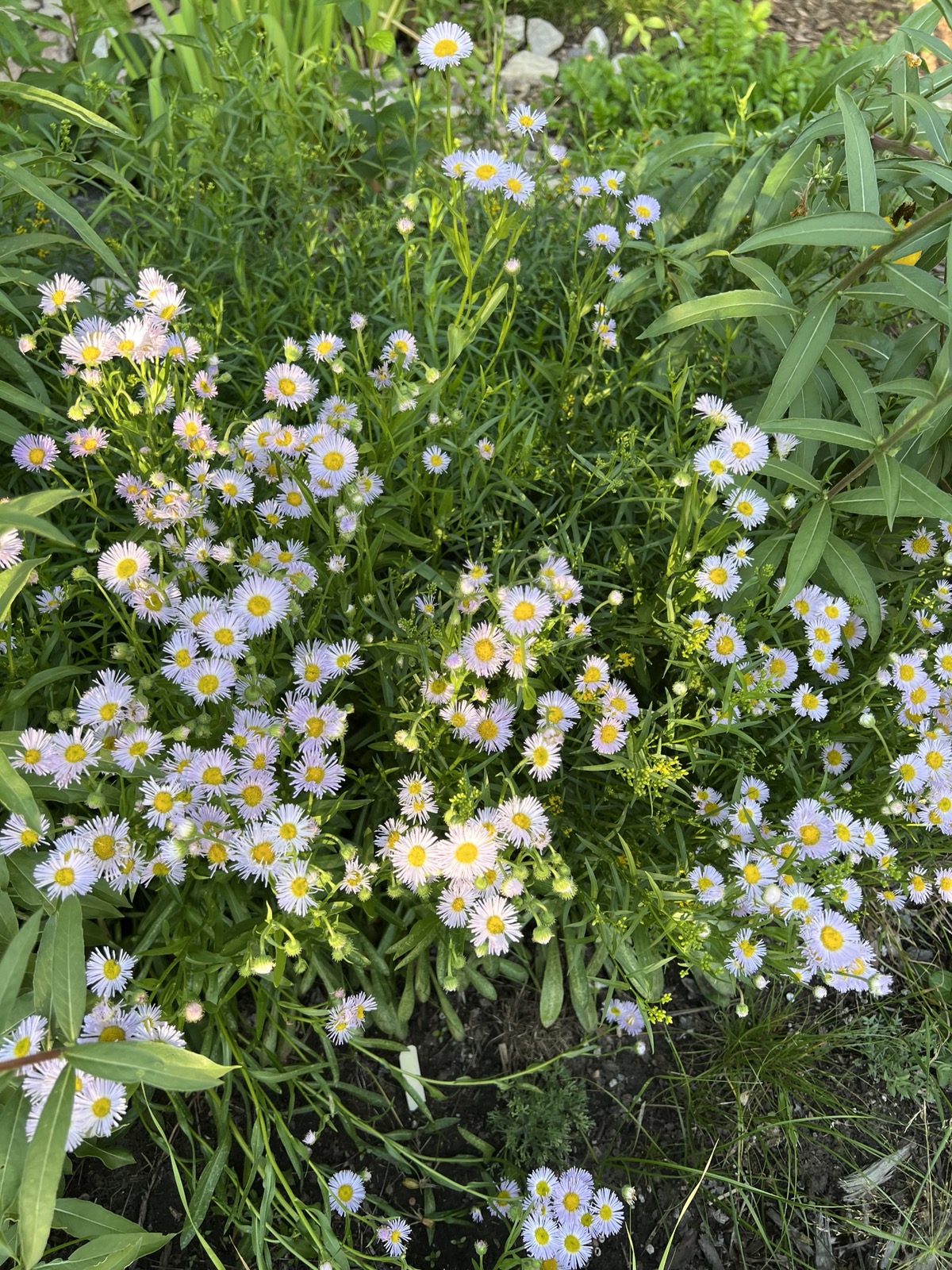
Philadelphia fleabane (Erigeron philadelphicus)
Tufted fleabane (Erigeron caespitosus)
Common yarrow (Achillea millefolium)
Pearly everlasting (Anaphalis margaritacea)


Don’t Grow Me
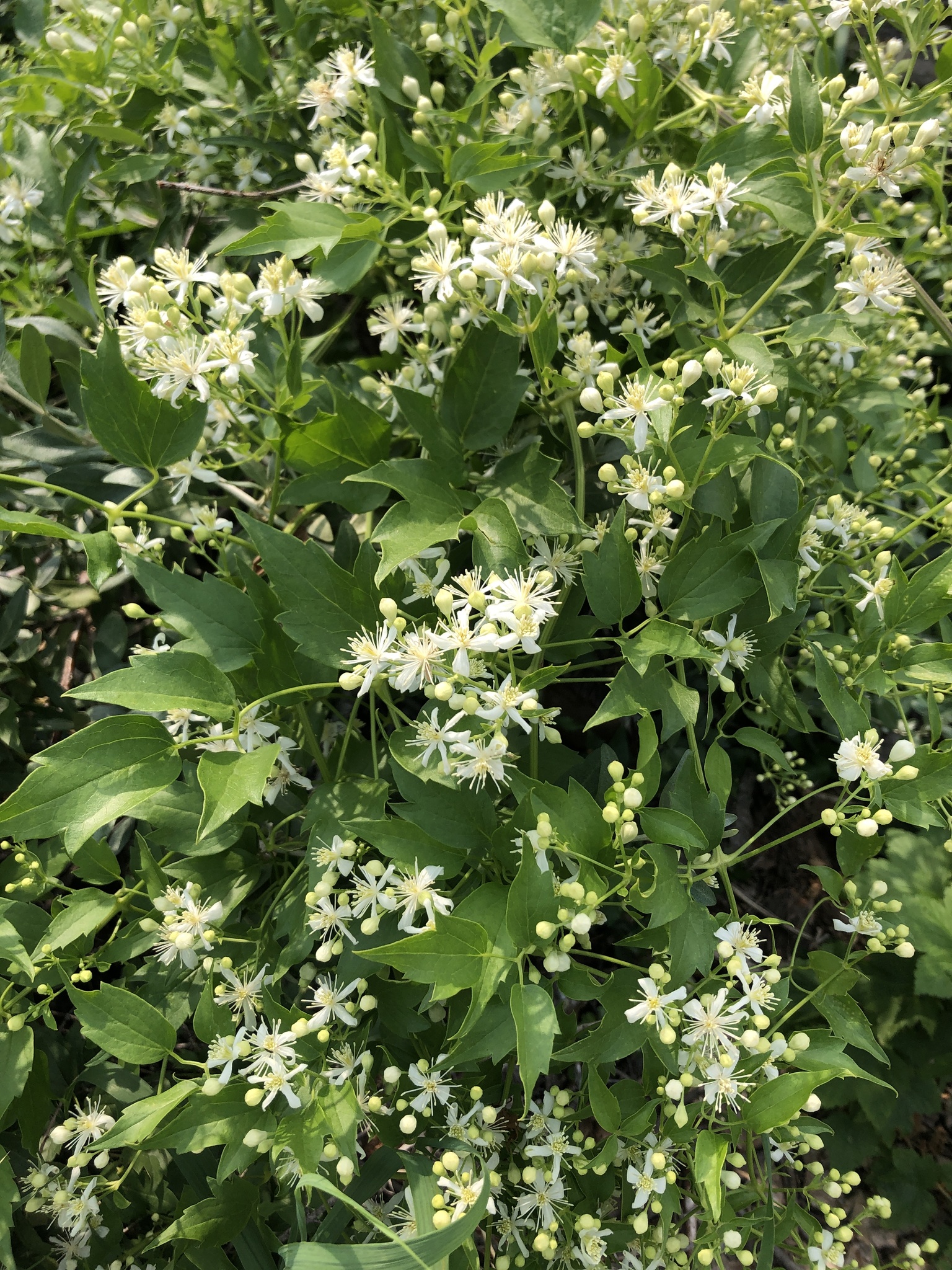
Yellow clematis (Clematis tangutica)
Unregulated (Noxious in AB)
Characteristics/Traits: Perennial vine that reproduces through seed and vegetatively from stem pieces. Vines grow rapidly and have the ability to clime structures. Tolerant of cold, drought, nutrient-poor soils, and can survive in part shade or full sun. Develops a long taproot. It has lemon-yellow, nodding, flowers with four petals that appear mid-summer and in late fall. Flowers are borne at the end of stems, they are bell shaped and fatten as petals spread.
Adverse effects: Quickly spreads and forms dense woody mats that choke out native plants. Outcompetes native plant for sunlight, nutrients, and water. Reduces biodiversity and produces high amounts of seed that disperse easily. Hard to control due to its deep taproots.
Photo credit:
Nicole Kimmel, Government of Alberta, Bugwood.org
Grow me instead
Western Virgin’s-bower (Clematis ligusticifolia)
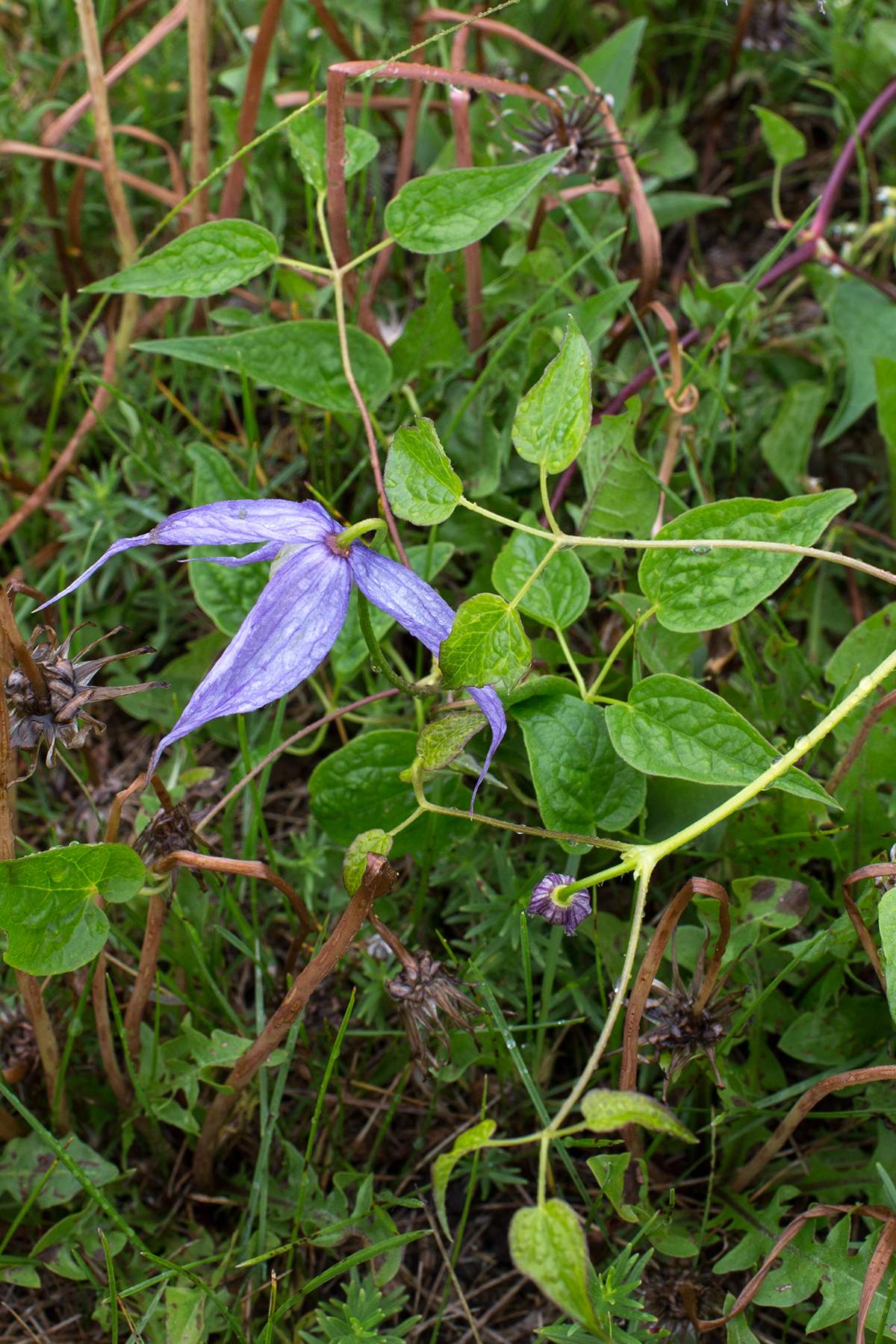
Purple clematis (Clematis occidentalis)
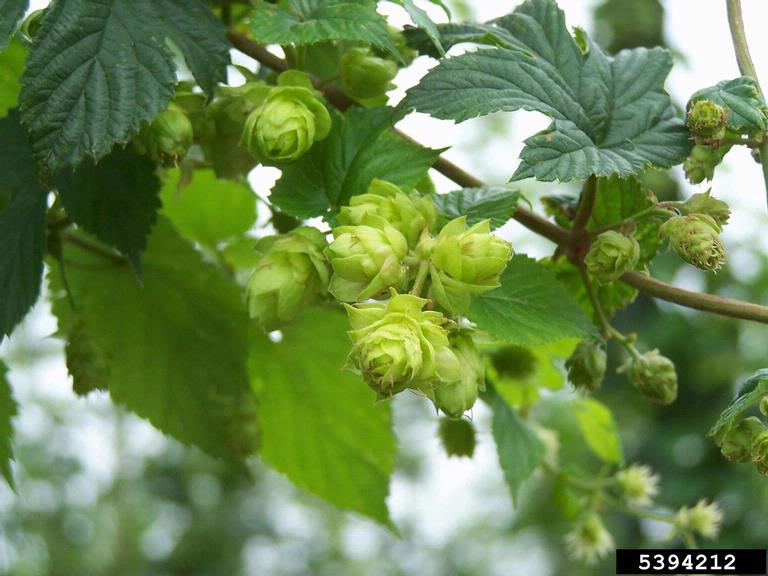
Wild hops (Humulus lupulus)
Twining honeysuckle (Lonicera dioica)
Photo credit:
David Gent, USDA Agricultural Research Service, Bugwood.org
Rob Routledge, Sault College, Bugwood.org
GRASSES

Don’t Grow Me
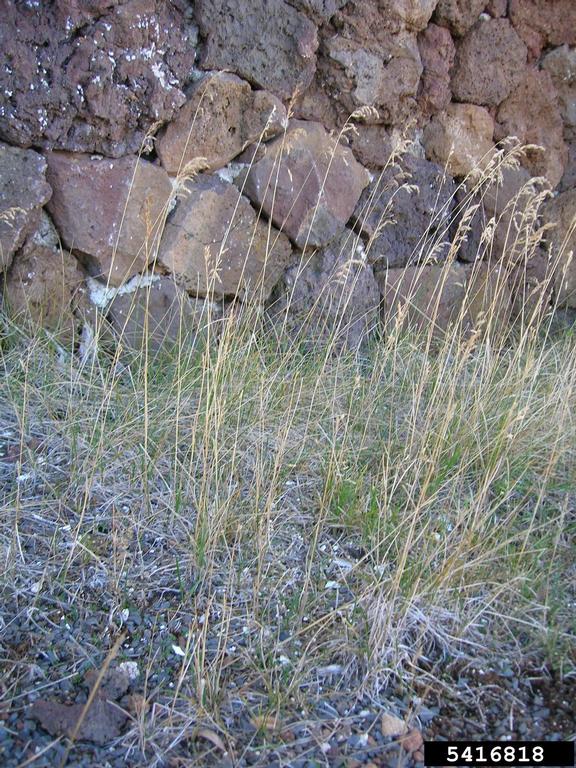
Kentucky blue grass (Poa pratensis)
Unregulated
Characteristics/Traits: Perennial grass that grows well in cool climates and is one of the most widely distributed grasses across the continent. Spreads by both seed and through underground rhizomes, allowing it to form dense grass mats, making it a fierce invader.
Adverse effects: Rapid ability to spread due to being able to grow from seeds and rhizomes. Aggressively outcompetes native plants and can invade natural ecosystems such as prairies and grasslands. Forms dense monocultures, decreases biodiversity, and increases soil erosion.
Photo credit:
Ohio State Weed Lab , The Ohio State University, Bugwood.org



Grow Me Instead
Blue grama grass (Bouteloua gracilis)
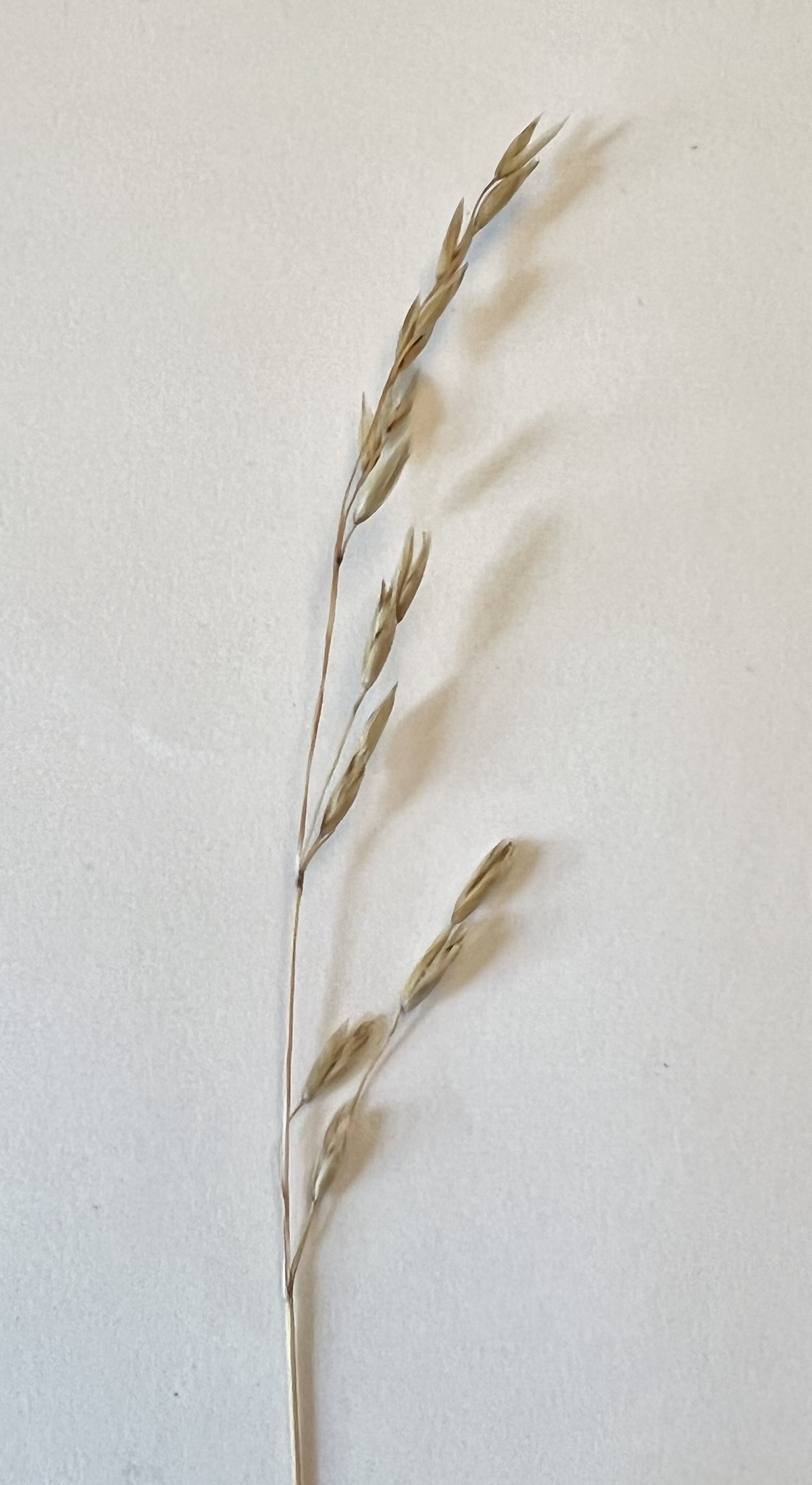
June grass (Koeleria macrantha)
Plain’s rough fescue (Festuca hallii)
Western wheatgrass (Elymus trachycaulus)


Don’t Grow Me
Smooth brome (Bromus inermis)
Unregulated
Characteristics/Traits: Perennial grass that spreads quickly through seeds and underground rhizomes. Forms dense patches of grass that invade grassland ecosystems.
Adverse effects: Reproduces rapidly, outcompeting native species and reducing ecosystem diversity. Very tolerant, can survive extreme cold and dry conditions.
Photo credit:
Joseph M. DiTomaso, University of California – Davis, Bugwood.org
Forest and Kim Starr, Starr Environmental, Bugwood.org


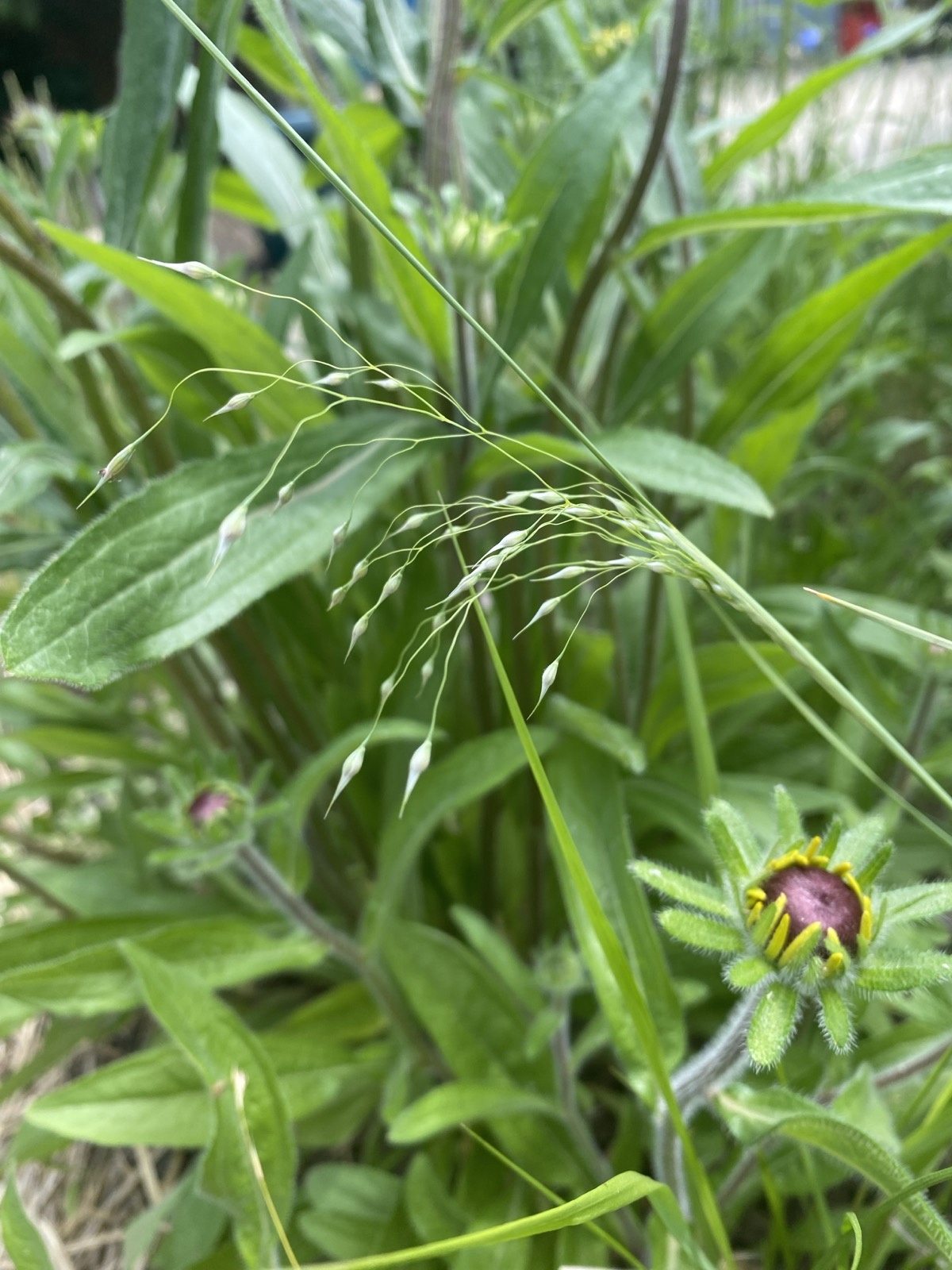
Grow Me Instead
Canada wild rye (Elymus canadensis)
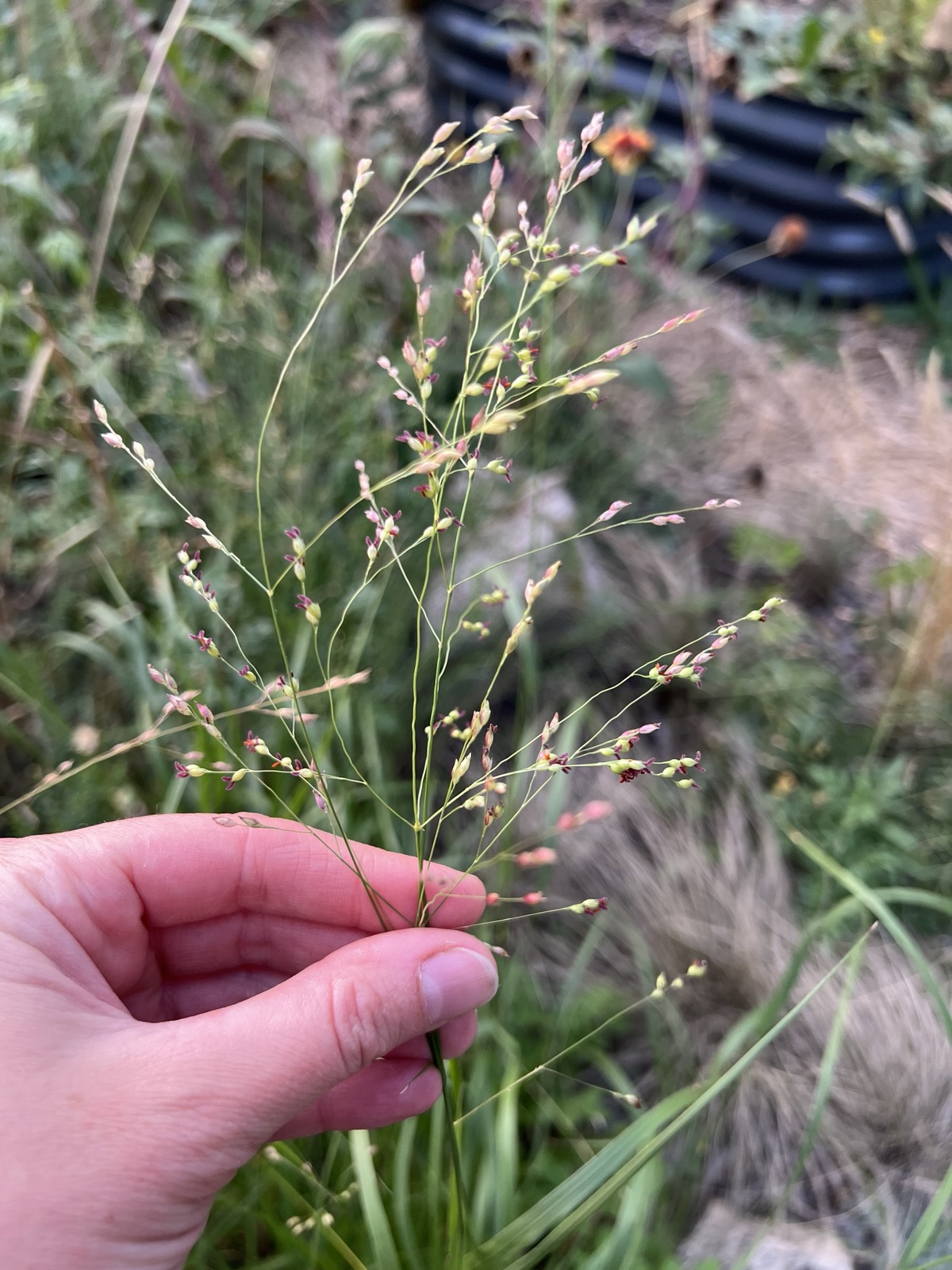
Switchgrass (Panicum virgatum)
Little bluestem (Schizachyrium scoparium)
Rice grass (Oryzopsis hymenoides)